July 20, 2026
Modern property development relies on intricate networks of underground utilities to manage daily operations. Among these crucial installations, independent wastewater treatment facilities stand as paramount assets for rural and suburban estates. These complex structures process biological waste, ensuring sanitation standards remain uncompromised. Without functional waste management, properties face severe environmental hazards and structural devaluation. Maintaining these underground networks requires meticulous attention to operational capacity and mechanical integrity. Property owners must acknowledge the precise engineering governing these biological processors.
Infrastructure longevity depends on constant monitoring and expert intervention. Neglected facilities deteriorate, leading to catastrophic structural failures and biohazard contamination. Implementing timely and professional septic system repair mitigates these severe risks. Experts possess the specialized equipment and technical knowledge required to diagnose hidden vulnerabilities before they escalate. By addressing minor component degradation in the initial stages, property owners protect their substantial initial investments and secure continuous, seamless waste management capabilities for generations.
Understanding the Mechanics of Subsurface Processing
Every independent waste management facility operates on straightforward yet sophisticated biological principles. The primary holding chamber receives all household effluent, separating materials by density. Heavy solids settle at the base, forming sludge, while lighter fats float to the surface as scum. The middle layer consists of liquid effluent, which must exit the chamber to make room for incoming waste. This delicate balance requires an undisturbed environment to facilitate constant separation.
Bacterial colonies inhabit the primary tank and perform critical decomposition tasks. These natural organisms consume organic matter, reducing solid waste volume and maintaining chamber capacity. A healthy bacterial ecosystem breaks down complex compounds into simpler elements. Introducing harsh chemicals or non-biodegradable items disrupts this biological harmony. Sustaining the microscopic workforce ensures the facility processes waste with maximum efficiency and minimal physical accumulation.
Liquid effluent flows from the main chamber into the distribution network. This secondary phase consists of perforated pipes laid in gravel-filled trenches, creating the absorption field. The network disperses liquid in equal measure across a wide underground area. Soil layers act as natural filters, purifying the effluent as it percolates toward the water table. This filtration phase removes residual pathogens and contaminants.
The surrounding soil must maintain adequate permeability to accept continuous fluid discharge. Saturated earth rejects incoming moisture, causing systemic backups and surface pooling. Vegetation above the absorption field aids in moisture transpiration, drawing liquid upward through root systems. Maintaining appropriate landscaping prevents root intrusion while supporting the natural evaporation cycle. The entire network relies on this continuous, unobstructed flow from intake to final soil absorption.
Recognizing the Indicators of Component Degradation
Underground utility failures manifest through distinct environmental and mechanical warning signs. Unusual moisture accumulation in specific yard zones signals a compromised absorption field. Unexplained patches of vibrant, lush vegetation during dry seasons indicate raw effluent reaching the surface. Puddles emitting foul odors confirm a total breach in the filtration process. Property owners must monitor their landscapes for these abnormal topographical changes to prevent broader contamination.
Interior plumbing behavior provides crucial feedback regarding exterior facility health. Sluggish drainage across multiple fixtures suggests a bottleneck within the main line or the holding chamber. Gurgling noises emanating from pipes indicate trapped gases fighting against standing liquid. Immediate wastewater backing up into lower-level drains represents a critical emergency. These indoor symptoms demand immediate investigation by qualified technicians to halt further systemic damage.
Olfactory indicators serve as undeniable evidence of structural breaches. Hydrogen sulfide gases produce a distinct, pungent odor resembling sulfur or rotten eggs. These emissions escape from compromised tank lids, cracked transit pipes, or saturated absorption fields. A persistent foul scent lingering around the property perimeter denotes a failure in the containment protocol. Ignoring these airborne warnings allows hazardous gases to permeate living spaces and outdoor recreation areas.
Addressing these symptoms with haste ensures the preservation of the entire waste management network. Ignoring early warning signs forces the system into complete mechanical collapse. According to AmeriSave, septic systems last 20 to 40 years with proper care, which makes them viable long-term wastewater solutions. Professional septic system repair addresses specific failing components without requiring a total overhaul. Experts can isolate the damage, preserving the functional elements and restoring the natural processing cycle.
Exploring the Methods of Professional Intervention
Technical specialists utilize advanced diagnostic tools to pinpoint underground issues. High-definition fiber-optic cameras travel through transit pipes, revealing blockages, root intrusions, and structural fractures. Ground-penetrating radar locates buried chambers and distribution lines without disruptive excavation. This non-invasive surveying approach allows technicians to formulate precise action plans. Accurate diagnostics prevent unnecessary digging and minimize landscape destruction during the restoration process.
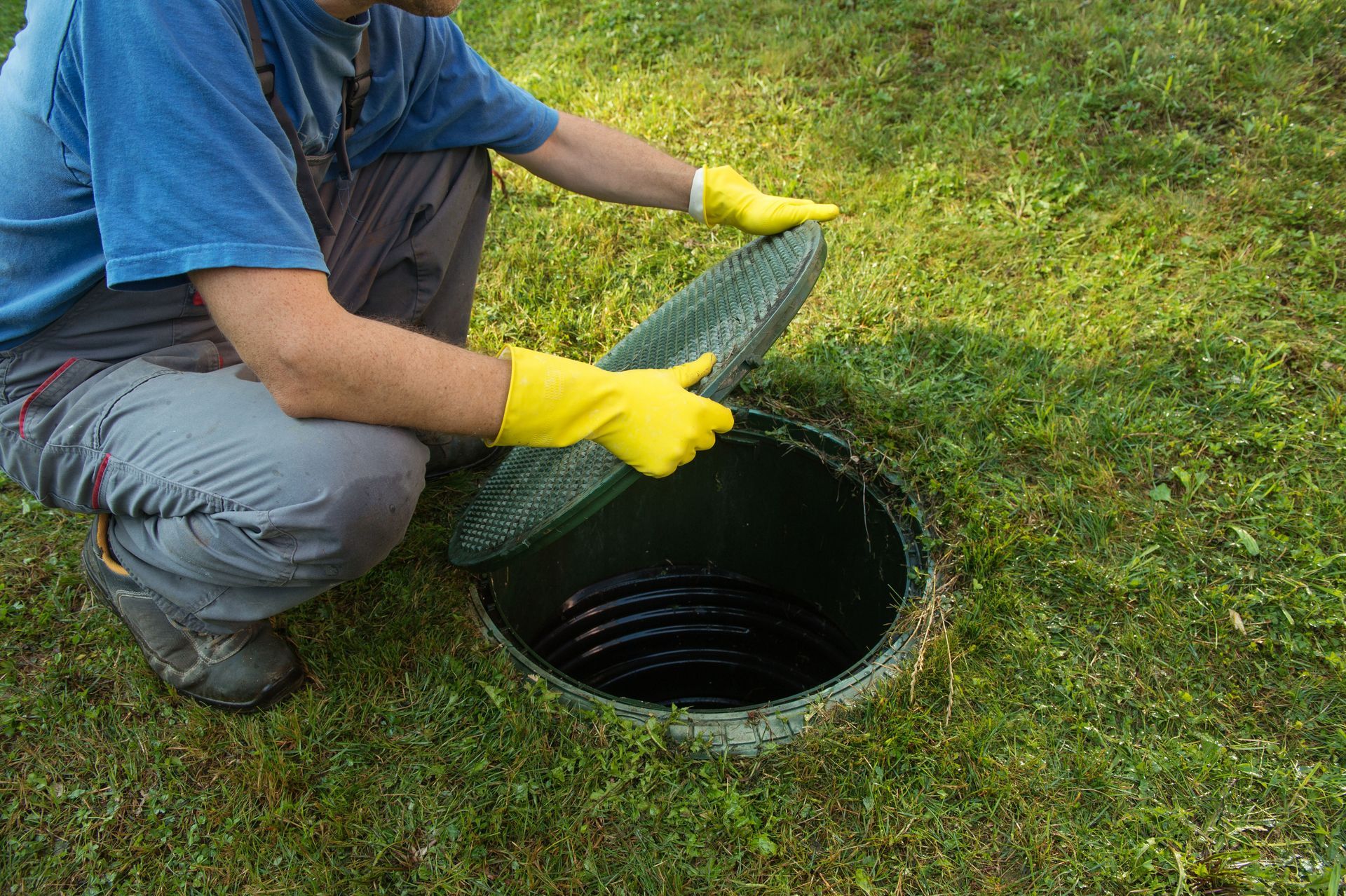
Mechanical removal of accumulated solids constitutes a primary intervention strategy. High-capacity vacuum trucks extract dense sludge and floating scum from the main chamber. Removing this material restores the liquid capacity and prevents solids from migrating into the delicate distribution network. Technicians inspect the empty chamber for structural cracks and baffle degradation. Routine extraction remains the most effective defense against catastrophic absorption field clogging.
Pipe rehabilitation addresses compromised transit lines and distribution networks. High-pressure water jetting clears stubborn obstructions and strips away mineral buildup inside pipes. If technicians discover severe structural fractures, they implement targeted septic system repair by replacing the broken segments. Modern trenchless technologies allow experts to insert durable resin liners into decaying pipes. These methods restore structural integrity while minimizing soil disruption above the affected areas.
Absorption field rejuvenation breathes new life into saturated soil beds. Technicians inject high-pressure air through the soil matrix to break up biological mats. This process, known as soil fracturing, creates new oxygen pathways and restores the earth's permeability. Adding specialized aerobic bacteria treatments consumes accumulated organic material in the gravel trenches. Restoring the absorption capacity of the soil prevents relocating the entire distribution field to a new property sector.
Securing the Future of Property Assets
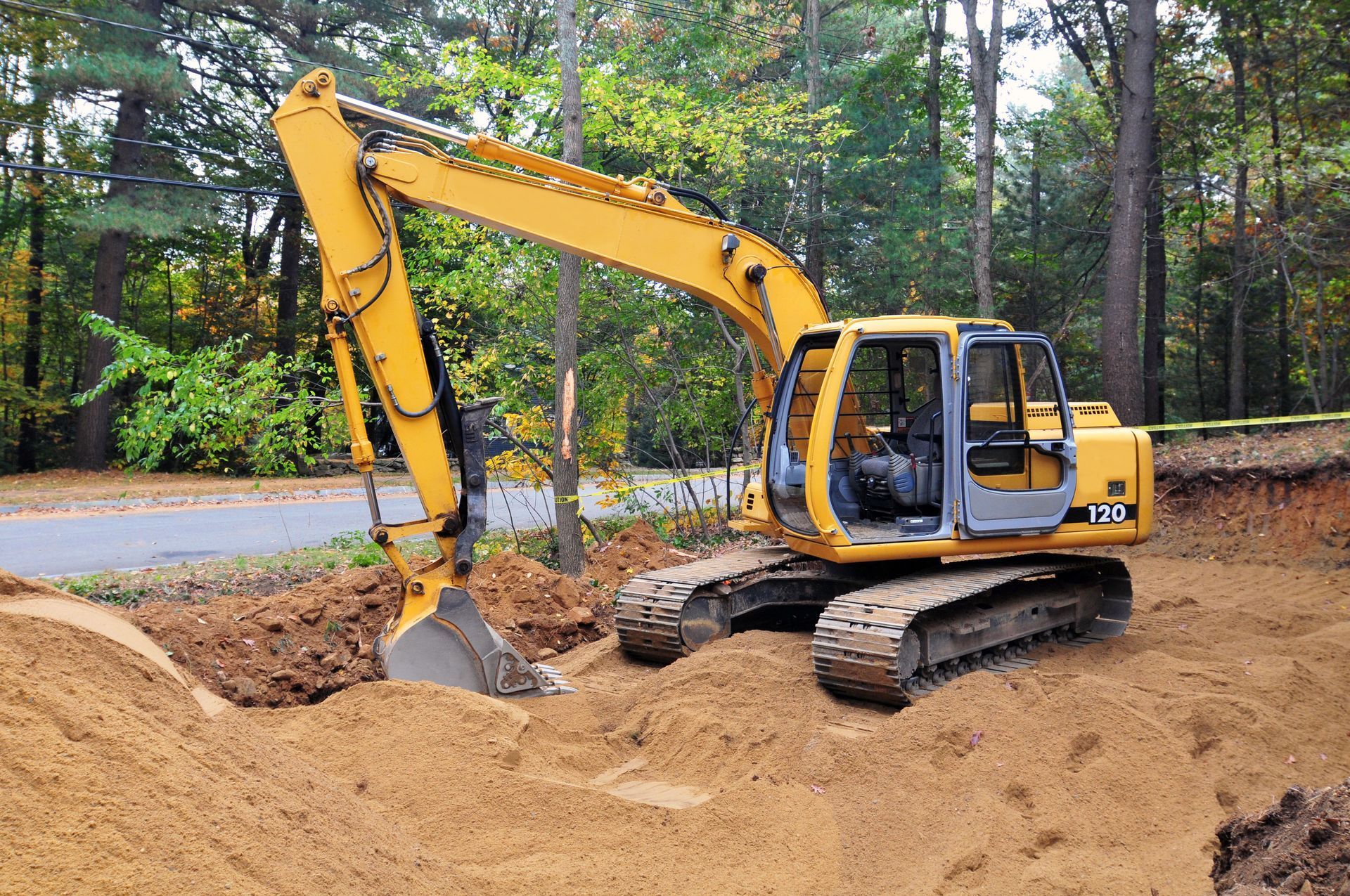
Consistent maintenance routines protect homeowners from massive financial burdens. Replacing an entire subterranean waste facility demands extensive excavation and significant capital expenditure. Proactive septic system repair addresses minor defects before they trigger systemic failure. By exchanging compromised baffles or clearing localized pipe blockages, specialists keep the broader infrastructure intact. Financial prudence dictates investing in periodic maintenance rather than funding catastrophic replacements.
Operational integrity safeguards local ecosystems and neighborhood health. Leaking untreated effluent contaminates groundwater reserves and nearby aquatic habitats. Pathogen exposure threatens local wildlife and compromises community water safety. Well-maintained facilities contain biological hazards and execute natural purification protocols with strict efficiency. Property owners hold an obligation to protect the surrounding environment through diligent infrastructure oversight.
Functional utility networks sustain and enhance overall property valuations. Prospective buyers demand functional, certified waste management facilities during real estate transactions. A documented history of professional septic system repair demonstrates responsible ownership and guarantees operational readiness. Properties with failing waste networks face severe market depreciation and strict regulatory fines. Preserving the underground infrastructure ensures the estate retains its maximum market appeal.
Establishing an ongoing dialogue with professional technicians guarantees long-term facility stability. Routine inspections identify wear patterns and allow for scheduled component upgrades. Technicians track sludge accumulation rates to optimize extraction schedules based on specific household usage. This analytical approach to infrastructure management removes the guesswork from property maintenance. Consistent professional oversight transforms a vulnerable biological processor into a durable, permanent estate feature.
Underground waste management networks represent fundamental components of modern residential infrastructure. These biological processors handle vast quantities of hazardous material, executing vital sanitation tasks through natural filtration. Their sustained operation requires an optimal balance of bacterial health, structural integrity, and soil permeability. Property owners who understand these mechanisms recognize the immense value of proactive monitoring. Protecting these hidden assets ensures safe, hygienic living conditions and prevents ecological disasters in local communities.
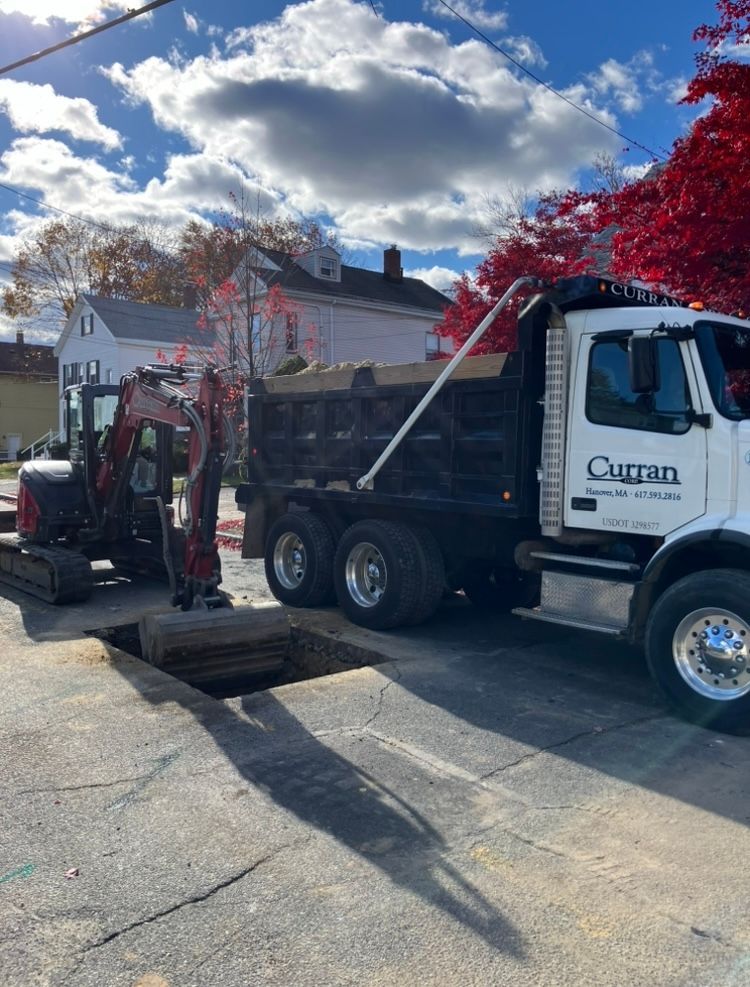
Contacting technical specialists remains the definitive strategy for extending facility lifespans. Targeted septic system repair resolves localized defects and maintains systemic harmony. Expert intervention preserves initial investments, bolsters property values, and fulfills environmental protection mandates. Through precise diagnostics and advanced restoration methods, professionals keep complex waste networks functioning without interruption. Committing to expert maintenance secures the enduring stability and efficiency of crucial residential infrastructure. When our team at Curran Corp Landscape & Excavation performs your septic system repair, we ensure your underground infrastructure remains sound for decades to come. Reach out to us today to schedule a comprehensive inspection and safeguard your property investment.