November 18, 2026
A sprinkler system influences whether moisture reaches the right plants, how much water is used, and how easily the landscape can be maintained. Similar-sized properties may need different irrigation plans because of planting areas, shade, slopes, and existing features.
Before arranging sprinkler installation, homeowners should understand how an installer will translate those conditions into a working system. These seven questions reveal whether the proposed approach suits the landscape today and as it changes.
1. What Will You Examine Before Recommending a System Design?
A useful consultation begins with the property, not a predetermined arrangement of sprinkler heads. An open lawn, a narrow planting strip, and shrubs beside a patio present different coverage challenges. Areas exposed to afternoon sun may also dry more quickly than shaded sections. These differences help determine where water needs to go and where it should not. A sloped section, for example, may shed water before the soil has absorbed enough moisture.
Ask which features will influence the design and whether the installer will consider existing trouble spots. Grass that repeatedly turns brown, puddles that linger, or planting beds with inconsistent moisture can provide clues about existing conditions. An installer should weigh those observations alongside the layout rather than assume that every dry area needs more watering.
During a sprinkler installation consultation, the discussion should connect the property's characteristics with a plan you can understand. The aim is to understand why the proposed design is suitable, not merely how many components it includes.
2. How Will Watering Zones and Sprinkler Coverage Be Planned?
Reaching every corner of a yard does not mean all plants receive the moisture they need. Turf, shrubs, and garden beds can have different requirements, and watering them together may leave one area too wet while another dries out. Dividing an irrigation system into zones allows the schedule to reflect those differences.
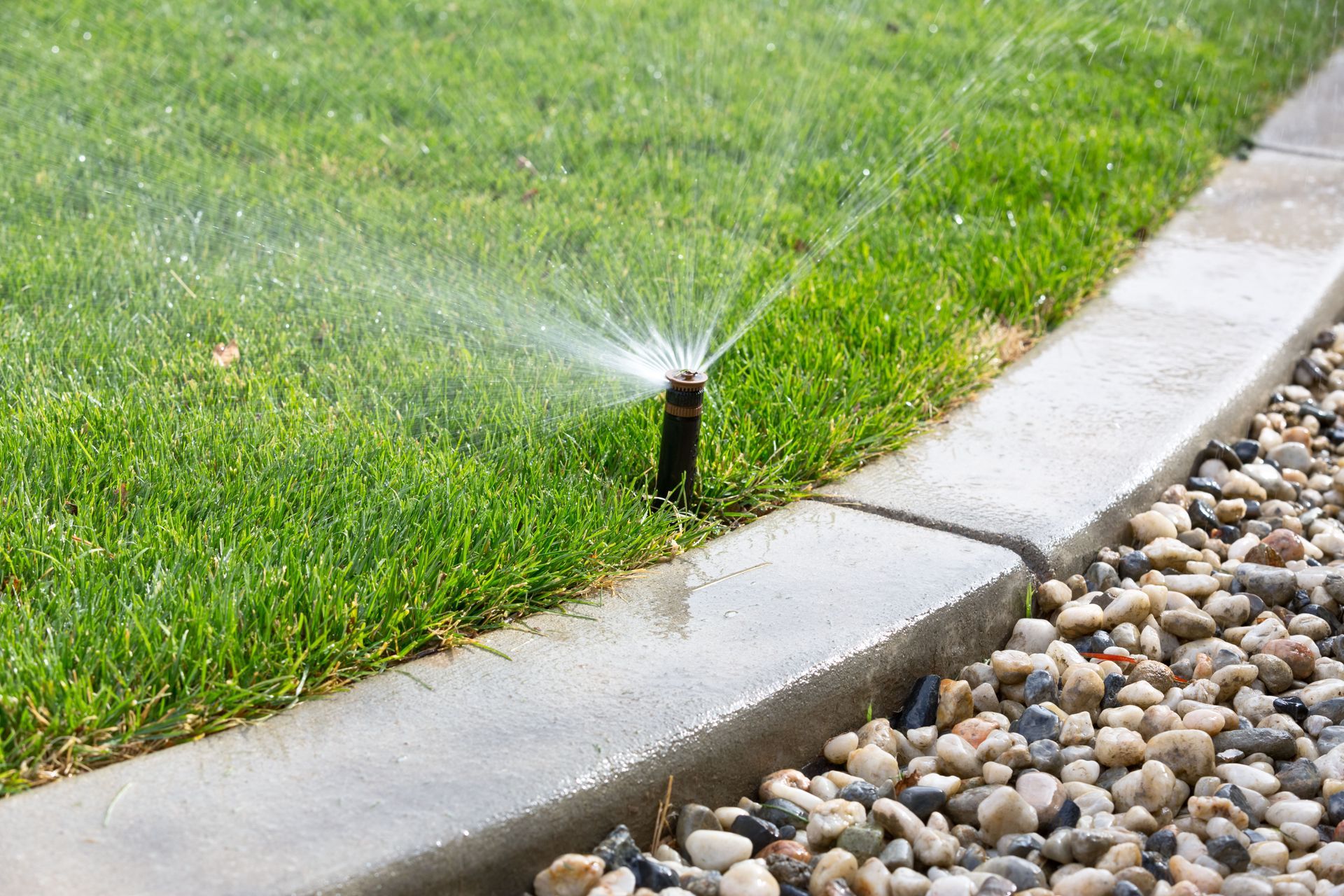
Ask how the installer will group areas and arrange sprinkler coverage within each zone. For instance, a sunny stretch of grass may need different run times from a sheltered planting bed. Head placement also matters: water should reach intended areas without unnecessarily spraying walkways, patios, or building surfaces.
A clear answer should connect coverage with scheduling. Creating separate zones serves little purpose unless their placement and programming reflect the plants they water. That explanation distinguishes a customized layout from one that treats the entire yard alike.
3. How Will the System Avoid Wasting Water?
Water efficiency deserves specific questions because sprinkler systems can deliver substantial amounts of water quickly. According to the New Ellenton Commission of Public Works, residential sprinklers may use roughly 12 to 30 gallons in a single minute of operation. At that rate, unnecessary run time and misdirected spray can increase consumption.
Find out how the proposed sprinkler installation will balance sufficient watering with efficient distribution. The discussion should cover component selection, coverage adjustments, and separate watering zones. A system that sprays paved areas or repeatedly saturates one section is not using water as effectively as it could.
Efficiency does not mean keeping every watering cycle as short as possible. Plants still need adequate moisture, and their requirements change with weather and growing conditions. A well-considered design gives homeowners a practical way to manage those needs without treating water conservation and plant health as competing goals.
4. What Will the Controller Manage, and How Will It Be Programmed?
Automated irrigation depends on decisions made at the controller, which determines when watering begins, which zones run, and how long each cycle lasts. Its capabilities also depend on the model selected.
Ask whether smart controller integration makes sense for your landscape and which functions the proposed equipment supports. Some models can adapt schedules to changing conditions, but available features should be confirmed. Just as important is the initial programming: even capable equipment will not perform well if its schedule ignores differences between planting areas. It is also worth discussing how schedules can be revised when plants become established or seasonal conditions change, and whether the selected controller makes those changes straightforward.
Before the work is finished, request an explanation of the programmed settings. Understanding what the controller is intended to do makes it easier to recognize when watering patterns no longer fit seasonal conditions. Professional programming should reflect the landscape's needs, not just a convenient watering time.
5. How Will Installation Affect My Existing Landscape?
Adding irrigation to an established yard raises a practical concern: how will the work affect grass, gardens, and outdoor features already in place? Installing underground lines requires access to the landscape, but careful planning can limit unnecessary disturbance. Disruption depends on the layout and component placement.
Before sprinkler installation begins, identify the areas you are especially concerned about preserving. Find out how the proposed route accounts for planting beds, mature plants, pathways, and patios. The installer can explain what equipment or installation methods may be used and which parts of the yard will need temporary access. That discussion should also identify whether work areas may temporarily affect access to frequently used outdoor paths.
Discuss these details before work begins rather than assuming every surface will remain untouched. The finished watering coverage matters just as much as the attention given to established plants during installation.
6. What Will Happen During Installation and Final Testing?
A completed sprinkler system requires more than buried lines and visible heads. Components must be connected, the controller programmed, and the system operated to see whether it performs as intended. Clarify the sequence and when automatic watering can begin.
The timeline depends on the property's size and the system's complexity. A relatively straightforward residential installation may take only a few days, while a more involved layout can require additional work. Find out which site conditions might affect the schedule.
The installation also needs a practical performance check. During sprinkler installation, adjustments may be needed once the water is running and actual coverage becomes visible. Have the installer explain how each zone will be checked for even distribution, unwanted spray, and appropriate operation. Observing the system while it runs can reveal issues that were not apparent from the design alone, giving the installer an opportunity to make adjustments before finishing. A final explanation of the controller settings clarifies how the system will operate.
7. What Seasonal Care Will the Sprinkler System Require?
A system that operates well on its first day still needs attention as conditions change. Growing plants can alter spray patterns, normal use can reveal coverage problems, and seasonal temperatures affect when irrigation should operate. Maintenance expectations therefore belong in the conversation before installation, not only after a problem appears.
Find out what spring startup and fall winterization involve, how often the system should be serviced, and which changes in performance warrant a service visit. In areas with freezing temperatures, preparing irrigation components for winter is particularly important. An installer can also explain whether ongoing maintenance plans are offered and what they include.
Warranty coverage deserves a question during the sprinkler installation consultation as well. Find out which warranties are available, what they cover, and how that protection differs from routine maintenance. The distinction clarifies what to expect if watering becomes uneven or the system needs attention.
Choosing irrigation professionals becomes easier when the conversation goes beyond the location of sprinkler heads and explores how the entire system will serve the property. Clear answers about design, operation, and future care help homeowners judge whether a proposal fits their landscape. At Curran Corp Landscape & Excavation, we design and install irrigation systems tailored to different watering needs. Contact us to discuss your landscape and arrange an in-person quote for the work you are considering.