August 19, 2026
Transforming residential property into a fully functional home site requires careful strategy and deliberate subterranean infrastructure planning. Homeowners often feel eager to settle into daily life without fully recognizing the routine care required for underground wastewater structures. Skipping routine care leads to severe drainage issues and costly repairs.
Before moving forward with property upgrades or major landscaping projects, you must thoroughly evaluate your home's unique wastewater design. Every individual lot presents distinct underground plumbing dynamics, ranging from soil drainage rates to structural tank locations.
Proper routine care lays the essential foundation for successful residential waste management. Consistent attention to your private septic system serves as a protective step, removing accumulated solids that hinder fluid movement.
Taking time to understand subterranean biology, household water usage habits, and service schedules will protect your financial investment. Smart water habits eliminate surprises during heavy rainstorms or family gatherings. This detailed guide outlines crucial elements you should consider before moving forward with long-term residential property upkeep.
Evaluate Local Usage Guidelines
Understanding daily wastewater flow determines exactly how you should manage household fixtures. Before running multiple appliances simultaneously, consider your tank capacity and discharge volume. Mindful daily usage heavily influences how efficiently your private utility setup processes organic waste without overflowing or causing structural stress to underground pipes.
Monitoring daily water consumption represents a crucial responsibility when maintaining subterranean utility health. Failing to manage fixture output can result in heavy tank flooding or immediate backup problems. Property owners must closely monitor laundry habits, shower durations, and dishwasher usage to prevent unnecessary system overload and backup.
Municipal codes dictate specific restrictions regarding waste disposal and structural setbacks across residential neighborhoods. Certain jurisdictions strictly protect nearby groundwater sources and natural bodies of water from contamination. Ensuring compliance with local rules prevents legal complications, environmental damage, and mandatory restoration requirements.
Working alongside certified environmental health inspectors helps clarify obscure subterranean waste regulations. Securing professional septic system assessments for major plumbing additions creates a practical safeguard for your investment.
Protect Underground Drain Fields
Analyzing surface conditions above your absorption area is essential for long-term utility performance. Parking heavy vehicles or building sheds over absorption trenches crushes vital distribution pipes and severely compacts surrounding soil. Keeping heavy weight off your absorption area protects buried piping from catastrophic structural crushing.
Surface drainage patterns significantly impact how your subterranean waste setup functions during severe weather events. Heavy rainwater naturally pools over low ground elevations, potentially saturating absorption trenches if downspouts discharge nearby.
Soil composition dictates absorption efficiency and overall fluid movement throughout your drainage parcel. Clay soils retain moisture, while sandy earth drains quickly, affecting how liquids filter through natural ground layers. Regular site evaluations determine whether your home septic system requires surface water diversion boundaries to remain fully operational.
Consulting with experienced soil scientists provides valuable insights into local underground water absorption capacities. Professionals analyze subsoil permeability, water tables, and bedrock depth to recommend ideal ground management techniques.
Schedule Routine Maintenance Inspections
Responsible utility management prioritizes professional inspections alongside mindful daily household habits. Protecting underground tanks, baffle tees, and soil absorption fields maintains proper biological decomposition throughout your infrastructure. Sustainable maintenance strategies reduce solid waste build-up while keeping overall performance consistent throughout every season.
According to AmeriSave, professional septic system assessments are advised every three years, while complete tank pumping should occur every three to five years for standard residences.
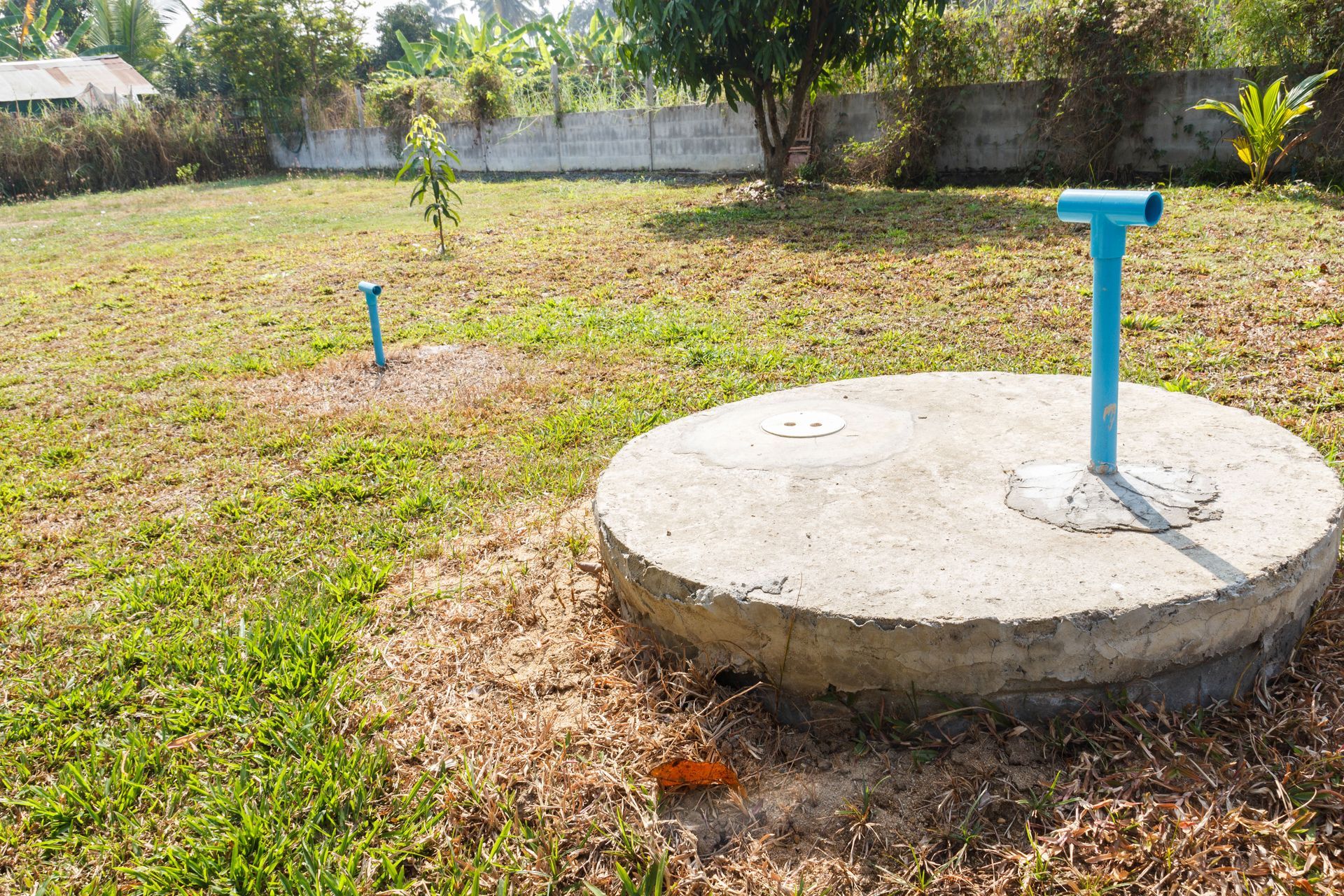
Installing accessible riser lids over tank access points simplifies routine professional monitoring procedures. Deeply buried tank openings often discourage regular service visits due to complex excavation work. Modern access risers make inspection access simple, safe, and efficient for field technicians performing standard checks.
Preserving healthy bacterial populations inside your treatment tank breaks down organic solids naturally and effectively. Homeowners should avoid dumping harsh cleaning chemicals, synthetic solvents, or antibacterial agents down household drains. Mindful chemical usage protects natural biological activity essential for proper liquid waste breakdown.
Control Household Water Volume
Financial planning for residential utility care requires looking beyond simple occasional repair expenses. High daily water consumption, leaking toilet flappers, and sudden household plumbing expansions can strain your private utility setup. Establishing conservative water usage patterns safeguards your infrastructure from sudden hydraulic failure.
Factoring water conservation methods into your daily routine provides crucial relief to subterranean processing zones. Upgrading to high-efficiency showerheads and low-flow toilets reduces daily liquid discharge volume without sacrificing personal comfort or household hygiene. Lower liquid volumes prevent premature saturation within surrounding soil.
Managing daily wastewater production involves several key conservation habits:
- Spacing out laundry loads evenly across the week
- Fixing leaking faucets and running toilets immediately
- Installing low-flow aerators on household sinks
- Running dishwashers only when fully loaded
- Directing water softener recharge cycles away from main processing tanks
Comprehensive fluid tracking prevents unexpected hydraulic overload in treatment chambers. Monitoring household fixture efficiency ensures you maintain complete control over daily wastewater output. Clear usage boundaries lead to stress-free long-term private utility management and extended operational lifespans for your plumbing.
Obtaining detailed performance evaluations from licensed service contractors allows you to track tank solids levels accurately over time. Reviewing service logs ensures all baffles, filters, and absorption lines function at peak performance.
Avoid Harmful Waste Materials
Choosing what enters your plumbing network directly affects component lifespan, biological action, and tank capacity. Flushing non-biodegradable products clogs distribution pipes, fills processing tanks rapidly, and destroys beneficial microbial colonies. Selecting safe disposable products guarantees smooth, unobstructed liquid flow through household drains.
Garbage disposals introduce excessive organic solids and grease directly into primary settling chambers. Heavy solid buildup forces treatment tanks to require more frequent professional pumping visits. Minimizing disposal use preserves vital liquid capacity for standard domestic waste processing and protects downstream filtration layers.
Chemical drain cleaners contain harsh caustic agents that destroy crucial bacterial colonies inside treatment tanks. Corrosive compounds can also degrade concrete tank walls and synthetic distribution piping over extended periods.
Operating household plumbing responsibly requires minimal effort but delivers maximum long-term utility performance. Working with family members to establish clear waste disposal rules protects distribution lines, absorption field soil, and internal tank baffles.
Manage Outdoor Property Features
Landscaping plays a vital role in maintaining long-term structural stability around underground treatment areas. Planting deep-rooted trees or invasive shrubs near tanks allows aggressive roots to penetrate tank walls and clog distribution pipes.
Heavy surface compaction restricts oxygen flow into topsoil layers, hindering natural aerobic bacterial activity. Avoid running heavy machinery or riding mowers directly over absorption fields when soil is damp.
Maintaining physical access points involves several key surrounding yard practices:
- Keeping surface vegetation neatly trimmed over tank access risers
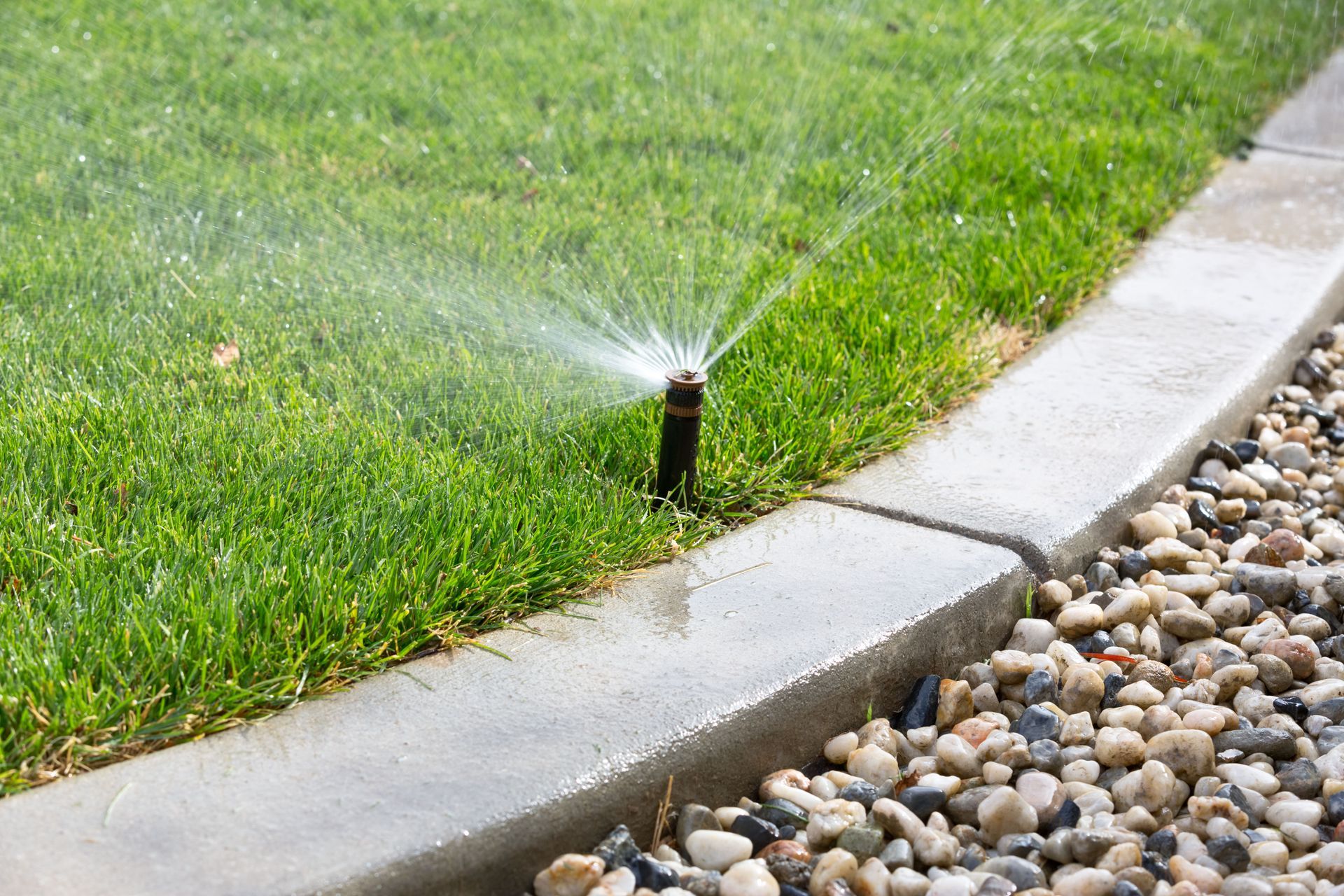
- Diverting irrigation systems completely away from absorption fields
- Maintaining clear perimeter access for professional service vehicles
- Marking hidden tank locations on home layout diagrams
- Preventing livestock from grazing over delicate absorption trenches
Transforming raw acreage into a thriving, comfortable home site demands consistent utility oversight, thoughtful water habits, and expert care. By monitoring water usage, protecting absorption fields, scheduling timely inspections, and managing yard features, you ensure your residential infrastructure operates smoothly without sudden failure.
Taking proactive control of household waste infrastructure protects both your family's health and your property value. Consistent professional care for your septic system delivers complete peace of mind, allowing you to enjoy your home without worrying about unexpected subterranean plumbing emergencies.
Ready to ensure the long-term health and performance of your residential wastewater setup? Partner with the experienced team at Curran Corp Landscape & Excavation to handle your property infrastructure needs with precision, care, and reliability. Contact our office today to schedule your next service assessment and keep your system operating in peak condition.